
In the ever-evolving landscape of cybersecurity, organizations face a multitude of threats. Among these, Insider Threats stand out as particularly insidious plus challenging to manage.
This blog post delves into the complexities of insider threats, exploring their nature, motivations, and the strategies organizations can employ to mitigate risks.
By comprehending insider threats, businesses of all sizes can better protect their sensitive information plus maintain a secure environment.
>>>Web Attacks: A Comprehensive Guide<<<
Introduction to Insider Threats
Cybersecurity has become a paramount concern for organizations worldwide.
With the increasing reliance on digital infrastructure, protecting sensitive data from external attacks is crucial.
However, while many focus on external threats, for hackers along with cybercriminals, insider threats pose an equally significant risk.
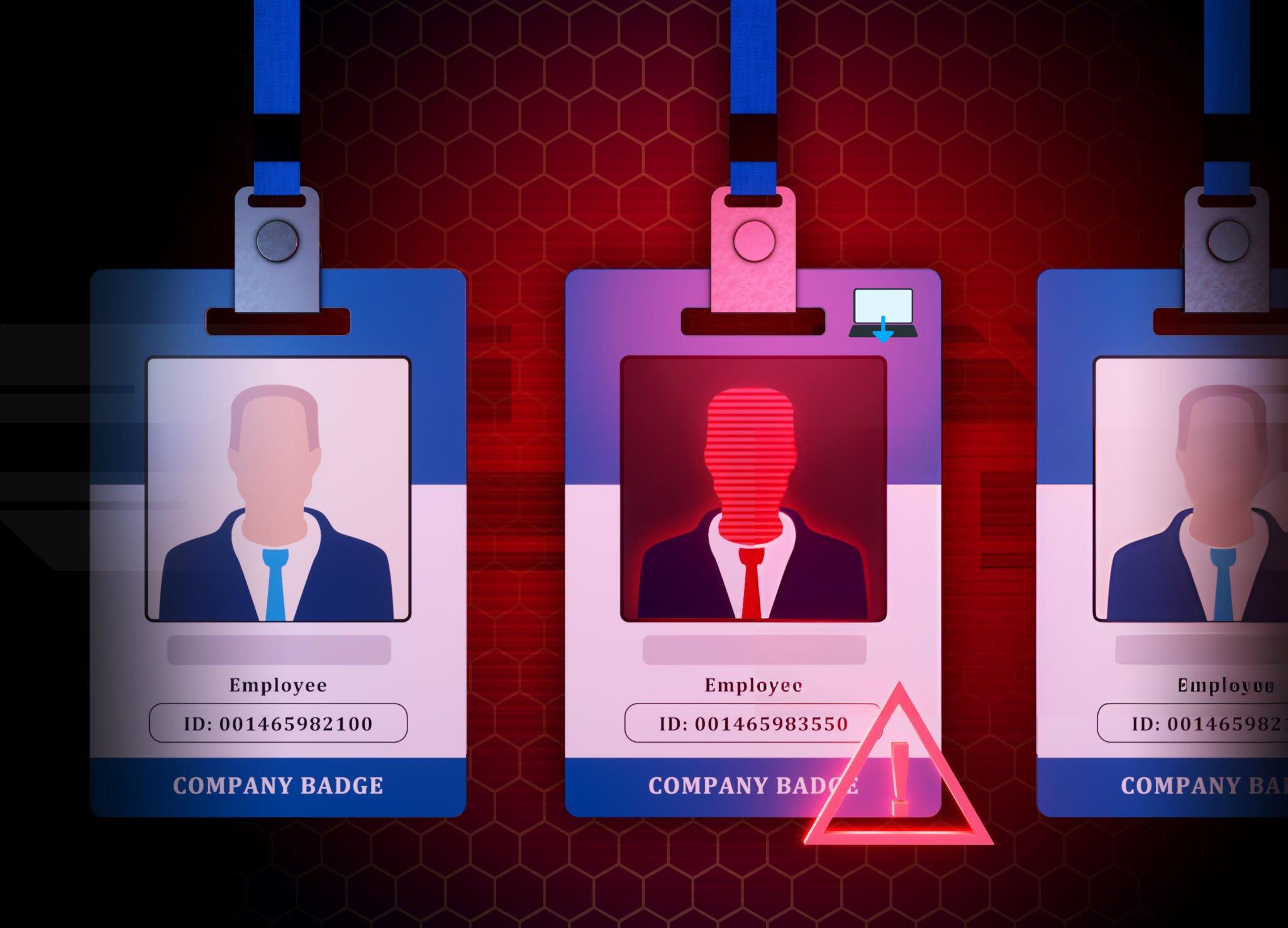
An insider threat occurs when individuals within an organization misuse their access to confidential information or systems for malicious purposes or inadvertently compromise security.
The challenge with insider threats lies in their subtlety; they often originate from trusted employees or contractors who have legitimate access to sensitive data.
This blog post aims to provide a comprehensive understanding of insider threats, including their types, motivations behind them, real-world examples, along with the best effective mitigation strategies.
Types of Insider Threats
Comprehending the different types of insider threats is essential for developing effective prevention strategies.
Insider threats can be categorized into three primary types:
- Malicious Insiders
- Malicious insiders are individuals who intentionally exploit their access to harm the organization or a person trying to access the organization using a back door. Their motivations may include financial gain, revenge against the company, targeting a person, or ideological beliefs.
- Best Computer Repair Example: A disgruntled employee may steal proprietary information to then sell it to competitors, or leak sensitive data online as an act of revenge.
- Negligent Insiders
- Negligent insiders are employees who inadvertently compromise security due to carelessness or lack of awareness about cybersecurity protocols.
- Best Computer Repair Example: An employee might fall victim to phishing attacks by clicking on malicious links in emails or failing to secure their devices properly.
- Compromised Insiders
- Compromised insiders are individuals whose accounts have been taken over by external attackers without their knowledge.
- Best Computer Repair Example: If an employee’s credentials are stolen through a phishing attack, an attacker could use those credentials to access sensitive company data.
Motivations Behind Insider Threats
To effectively combat insider threats, it is crucial to comprehend what motivates individuals to engage in such malicious behaviour.
The motivations can vary widely:
- Financial Gain: Many malicious insiders seek monetary rewards by selling confidential information or engaging in fraud.
- Revenge: Disgruntled employees may act out against perceived injustices within the workplace.
- Ideological Beliefs: Some individuals may leak information based on personal beliefs or political motives.
- Negligence: Lack of training along with awareness can lead employees to make mistakes that expose the organization’s vulnerabilities.
Real-World Examples of Insider Threats
Examining real-world cases helps illustrate the impact of insider threats on organizations:
X (2020)
Three individuals exploited internal tools to hijack high-profile X accounts as part of a spear-phishing attack.
They used these accounts to promote a Bitcoin scam, demonstrating how insider access can be manipulated for malicious purposes.
This incident highlighted the need for stringent identity plus access management protocols.
Proofpoint (2021)
In 2021, Proofpoint, a data loss prevention company, filed a lawsuit against a former executive who stole confidential sales-enablement data before joining a competitor, Abnormal Security.
The executive used a personal USB drive to exfiltrate sensitive information, which went undetected for months due to insufficient monitoring by Proofpoint’s insider threat software.
Tesla (2020)
At Tesla, an employee engaged in sabotage by exporting large amounts of sensitive data, including source code related to the company’s operations.
Elon Musk described the incident as causing “extensive and damaging sabotage.” Enhanced user account monitoring and behaviour analytics could have potentially detected this malicious activity earlier.
The Best Way To Identify Insider Threats
Detecting insider threats requires vigilance along with proactive measures:
- Behavioural Analytics:
- Organizations should implement behavioural analytics tools that monitor user activity for unusual patterns indicative of potential insider threats.
- Access Controls:
- Limiting access based on job roles ensures that employees only have access necessary for their work functions reduces opportunities for abuse.
- Regular Audits:
- Conducting regular audits helps identify anomalies in user behaviour, thus ensures compliance with security policies.
- Employee Training:
- Providing ongoing cybersecurity training raises awareness among employees about potential risks, encourages them to report suspicious activities.
The Best Mitigation Strategies for Insider Threats
Organizations must adopt comprehensive strategies tailored specifically for mitigating insider threats:
- Developing a Strong Security Culture:
- Cultivating a culture where cybersecurity is prioritized encourages employees to take ownership of security practices, plus be able to freely report concerns without fear of retribution.
- Implementing Robust Policies:
- Establish clear policies regarding acceptable use, data handling procedures, even highlighting consequences for violations, helps set expectations among employees.
- Utilizing Technology Solutions:
- Employ advanced technologies like Data Loss Prevention (DLP) systems that monitor data transfers along with AI to flag suspicious activities before they escalate into breaches.
- Incident Response Planning:
- Having an incident response plan in place allows organizations to react swiftly if an insider threat is detected, minimizing damage plus restoring normal operations quickly.
- Encouraging Whistleblowing:
- Creating anonymous reporting channels empowers employees to report suspicious behaviour without fear, while fostering accountability within the organization.
Conclusion
Insider threats represent one of the most complex challenges facing modern organizations today, from malicious actors seeking personal gain to negligent behaviours leading inadvertently towards breaches; comprehending these dynamics is critical for effective cybersecurity management.
By recognizing various types of insider threats along with their motivations then implementing robust detection methods alongside proactive mitigation strategies, organizations can significantly reduce risks associated with internal vulnerabilities while fostering trust among employees regarding security practices within their workplaces.
Eric Luis — CEO — Best Computer Repair
As we continue navigating this digital age filled with evolving cyber risks; prioritizing education around these issues will remain vital, not just protecting assets but ensuring overall organizational resilience against all forms of cyberattacks, including those originating from within our own ranks!
>>>Web Attacks: A Comprehensive Guide<<<
If you enjoyed reading this post on “Comprehending Cybersecurity: Insider Threats“ or if it helped you in any way, please feel free to show your support by giving us a share or a like.
It would mean a lot to us!… Still unsure about something?
Then consider giving us a chance to help you decide the best course of action for your situation, along with what would best meet your requirements.
We are highly flexible with a no fix no fee policy, one of the leading computer repair specialists, plus custom-built PC/server build, cybersecurity experts in Bridgend covering the whole of South Wales, U.K.
Book your FREE no-obligation quote today!
Our normal service area is Bridgend, however, we also cover Swansea, Port Talbot, Bryncethin, Sarn, Ogmore Vale, Maesteg, Llantwit Major, Cowbridge, Barry, Penarth, Dinas Powys, Cardiff, Newport.
Best Computer Repair Bridgend plus South Wales, U.K. also offer worldwide remote support, virus removal, or even custom-built gaming PCs.
We work with competitive rates, contactless payment, free delivery, along with a friendly, professional service that can’t be compared anywhere else in the IT Services industry.
Why not contact us today here or say hello in the live chat at the bottom right of the page.
Thank you for reading, plus have a wonderful week! 🙂
To our continued health plus success
Eric Luis – CEO Best Computer Repair –
Bridgend and South Wales, U.K.


POST REPLY